
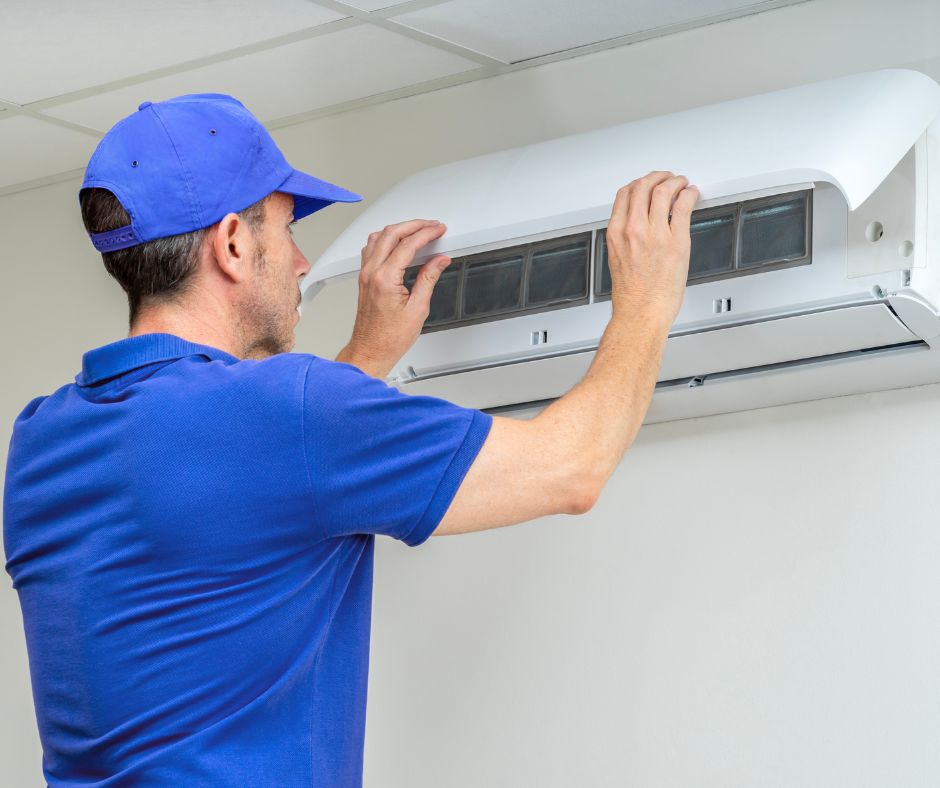
You don’t need years of experience to land a job in HVAC. The HVAC industry is booming, and employers constantly seek motivated, hands-on workers to join their teams. If you’ve ever wondered how to get into HVAC with no experience, you’re in the right place. You don’t need a long resume or a technical degree to get started you need the right approach, a willingness to learn, and a solid understanding of the field.
So where do you begin? Whether you’re switching careers or just starting, this guide explains how to get into HVAC with no experience from gaining essential knowledge to landing your first position.
This step-by-step approach is ideal for anyone searching for how to get into HVAC with no experience and looking for a clear path forward. Plus, we’ll introduce how Stratford Career Institute’s HVAC training course can help you build a foundation to start your career.
ENROLL TODAY
Can You Get an HVAC Job with No Experience?
Yes, you can get an HVAC job with no experience. Employers are often willing to hire entry-level workers eager to learn. While some companies prefer candidates with formal education or experience, many offer on-the-job training to help new hires gain experience.
Even if you’ve never worked on an HVAC system before, you can start in the following positions:
- HVAC helper—assisting experienced technicians with installations and repairs;
- Apprentice—learning the trade under a licensed HVAC technician;
- Warehouse or parts assistant —handling equipment and supplies to get familiar with HVAC systems; or
- Customer service representative—working with customers to schedule HVAC services and understand common issues.
These roles are ideal for anyone breaking into the HVAC industry for the first time and looking to gain real-world experience.
What HVAC Employers Actually Look for When Hiring Beginners
Most no-experience applicants focus on what they don’t have. Employers are focused on something different. Completing structured training before applying gives candidates the vocabulary, safety knowledge, and system understanding that employers notice immediately in interviews.
Specifically, here is what gets candidates hired at the helper or apprentice level:
- Reliability signals: Lack of reliable transportation disqualifies candidates before the conversation goes anywhere job sites change daily and showing up is non-negotiable. Candidates who cannot pass a standard drug test are also often screened out immediately. These are the first filters, before any technical assessment.
- Basic safety awareness: Even a helper who touches nothing electrical needs to understand lockout/tagout procedures, PPE requirements, and hazard recognition. Demonstrating that you’ve studied safety basics like those covered in a foundational home-study course—tells an employer you’re less likely to create a worksite liability.
- Foundational technical vocabulary: Employers screen resumes looking for signals that you understand HVAC work. They prioritize candidates who mention safety awareness, specific systems, or prior exposure to trade work over people with generic resumes that say nothing. Knowing the difference between a split system and a packaged unit, or what an evaporator coil does, signals genuine interest.
- Transferable mechanical skills: Experience in construction, electrical work, plumbing, military service, automotive repair, or any hands-on trade carries real weight. These backgrounds show physical competence, tool familiarity, and comfort with job-site environments. If you have any of this, it belongs prominently on your application.
Steps to Getting Into HVAC with No Experience
Entering the HVAC industry doesn’t have to be complicated. While formal schooling isn’t always required, gaining basic knowledge and practical skills is essential. Following these steps can help you prepare for an entry-level HVAC position and stand out to employers.
Step 1: Get Basic HVAC Knowledge
Even without hands-on experience, understanding how HVAC systems work can set you apart from other job seekers. You can start by:
- Reading online HVAC guides and manuals;
- Watching instructional videos about HVAC systems; or
- Enrolling in an HVAC training course, like the one offered by Stratford Career Institute, to learn essential concepts at your own pace.
A basic understanding of heating, cooling, and ventilation will show potential employers you’re serious about the field.
Explore a New Career!
Step 2: Gain Hands-on Training
Hands-on training is crucial if you want to get into HVAC with no experience. Here’s how to gain practical skills:
- Apply for an HVAC apprenticeship with a local company;
- Ask to shadow an experienced HVAC technician;
- Work in related fields, such as construction or electrical work to build transferable skills; or
- Practice with HVAC tools and equipment if you have access to them.
The more hands-on experience you gain, the more confident and prepared you’ll be when applying for jobs.
Step 3: Get Certified (If Required)
While not always mandatory, certifications can help you stand out. Some states require HVAC technicians to obtain licensing or certification before they can work independently. Many training programs, including Stratford Career Institute’s HVAC training course, introduce students to the concepts, which may help them prepare for exams.
Step 4: Develop Key HVAC Skills
Successful HVAC technicians have a mix of technical and professional skills that make them great at their jobs. Employers look for candidates who can:
- Use HVAC tools and equipment safely,
- Read and interpret blueprints and technical manuals,
- Troubleshoot and solve mechanical problems,
- Communicate with customers clearly and professionally, and
- Work independently and as part of a team.
These skills are essential for anyone working toward long-term success in the HVAC trade.
Step 5: Apply for Entry-Level HVAC Jobs
Entry-level jobs generally require no formal experience. Some typical entry-level HVAC jobs include positions at HVAC companies, home improvement stores, or property management firms. These roles provide valuable hands-on experience and can help you advance in the industry.
Even if you don’t land your ideal job immediately, starting in an entry-level role can help you gain experience and work your way up.
Enroll in Our Course at Stratford Career Institute to Start an HVAC Career
If you’re ready to get into HVAC with no experience, the first step is gaining knowledge and skills to impress potential employers. Stratford Career Institute’s HVAC training course is designed for beginners looking to enter the industry. With flexible, self-paced learning, you can gain a foundation in HVAC systems, safety procedures, and essential technical skills—all from the comfort of your home.
Enroll in Stratford Career Institute’s HVAC training course today and take the first step toward a future in HVAC.
Frequently Asked Questions
Can you start working in HVAC without prior experience?
Yes, many HVAC employers hire beginners for entry-level roles such as helpers or apprentices. These positions focus on learning on the job while assisting experienced technicians. Employers often value reliability, willingness to learn, and basic mechanical aptitude more than previous HVAC experience.
What is the best way to begin a career in HVAC?
The best way to begin is by learning HVAC fundamentals and gaining hands-on exposure. This can include studying basic system operations, enrolling in beginner HVAC training, or working under a licensed technician. Combining knowledge with practical experience helps new workers transition into the field smoothly.
How long does it take to become an HVAC technician?
The timeline varies depending on training and work experience. Many people begin in entry-level roles immediately and develop skills over time. With hands-on experience and training, individuals can advance to technician roles within a few years, depending on licensing and local requirements.
Is HVAC a good career for career changers?
Yes, HVAC is a popular option for career changers because it offers steady demand, hands-on work, and clear advancement paths. Many people transition into HVAC from construction, electrical work, or unrelated fields by starting in entry-level roles and building experience over time.
Can online HVAC training help beginners?
Online HVAC training can be a helpful starting point for beginners. It allows students to learn system basics, safety concepts, and industry terminology at their own pace. This foundational knowledge can make on-the-job training more effective and boost confidence when applying for entry-level positions.
Reviewed by the Stratford Career Institute editorial team. Stratford has offered home-study career exploration courses since 1991. For a full list of programs, visit scitraining.com.
RATE THIS POST

 Loading...