
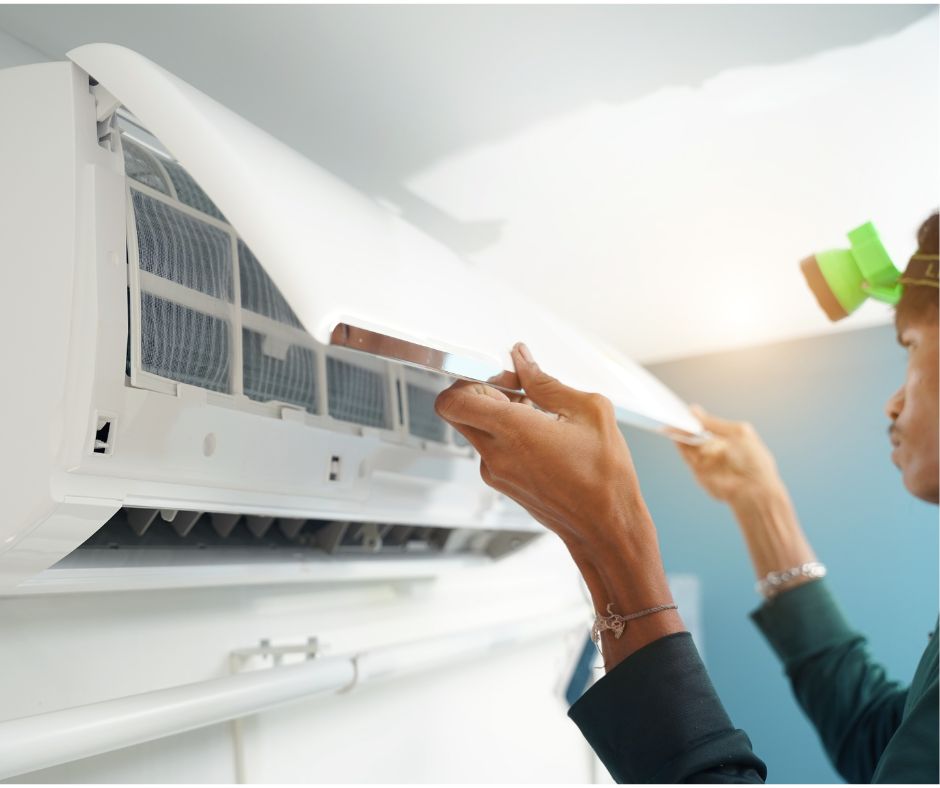
Breaking into a skilled trade can feel overwhelming. You may see job postings asking for experience, certifications, or technical knowledge and wonder how anyone gets started in the first place. If you’re interested in pursuing HVAC entry-level jobs, it’s natural to have questions about training, qualifications, and what employers expect from new applicants.
Getting into HVAC starts with choosing a path. You can attend trade school for 6 to 18 months to build foundational skills, or apply directly to local companies as an entry-level helper. Either way, you must obtain EPA Section 608 certification, which is federally required to handle refrigerants.
The HVAC industry offers opportunities for people who enjoy hands-on work and problem-solving. While becoming a fully qualified HVAC technician may require additional training, certifications, or licensing, many people start by building foundational knowledge and pursuing entry-level opportunities.
Stratford Career Institute offers a flexible online training program that helps adults explore career paths and learn introductory HVAC concepts. Its HVAC course covers heating and cooling systems, common tools, safety practices, and industry terminology.
If you are new to the trades or considering a shift into a technical role, HVAC entry-level jobs could be a great place to start. This guide is designed for beginners who want to understand how to get started in the field, what employers are looking for, and what skills you may need.
What Are Entry Level HVAC Technician Jobs?
Some entry-level HVAC jobs typically require little to no prior industry experience, making them excellent for beginners who are dedicated to learning the ropes. These roles are often focused on assisting more experienced technicians, handling basic installations, maintaining tools, or learning to troubleshoot common HVAC issues.
Many people start in these roles as helpers or apprentices before working their way up to more advanced responsibilities.
Because the HVAC industry is essential to residential, commercial, and industrial buildings, there are jobs available across the country, with the Bureau of Labor Statistics anticipating a 9% increase between 2023 and 2033.
Technicians may work on air conditioning systems, heating systems, ventilation units, ductwork, refrigeration systems, and more.
What Types of HVAC Entry Jobs Are Available?
Several different entry-level HVAC positions can help you gain exposure to the industry. These roles vary by employer and may involve different responsibilities depending on the company’s size and specialty.
Some common entry-level HVAC jobs include:
- HVAC helper. This role typically involves assisting experienced technicians with equipment setup, carrying tools, cleaning work areas, and performing basic maintenance tasks.
- Installer assistant. Installer assistants help with the installation of furnaces, air conditioners, heat pumps, ductwork, and other HVAC equipment while learning industry practices.
- Maintenance trainee. Some companies hire trainees to perform routine inspections, filter replacements, and preventive maintenance under supervision.
- Warehouse or parts assistant. HVAC companies often need employees to organize inventory, manage supplies, and prepare equipment for field technicians.
- Apprentice. Apprentices work alongside experienced professionals while developing technical skills through structured training programs.
Each position offers a different way to gain experience and become more familiar with HVAC systems. For many beginners, these opportunities provide a practical introduction to the industry while helping them determine which career path interests them most.
Who Is a Good Fit for the HVAC Field?
BBeginner HVAC jobs are well-suited for people who enjoy mechanical systems, don’t mind physical work, and want a job that feels different every day.
It also involves problem-solving in real time, which can be rewarding for someone who is eager to learn new things on the job and develop a new skill set.
Other traits that help people succeed in HVAC entry-level jobs include:
- A willingness to work in a variety of settings and weather conditions,
- Basic comfort with tools and mechanical systems,
- A focus on safety and attention to detail, and
- Good communication and customer service skills.
Having all or most of these traits is best for people looking to be HVAC technicians, but luckily, a lot of these skills can be developed.
Do You Need Experience to Get Started?
One of the best things about HVAC entry-level jobs is that they offer a path into the trades without requiring years of school or experience. That said, having some foundational knowledge can set you apart from other applicants.
You may be wondering how you can learn the basics before applying for jobs, and that’s where introductory education can help. Stratford Career Institute offers an online course that can introduce you to HVAC fundamentals, such as how heating and cooling systems work and what tools are used on the job.
These courses do not result in certification or a license, but they can help you decide if the field is a good fit for you and offer a good amount of fundamental knowledge.
What Do Employers Look For?
Even in entry-level HVAC jobs, employers value dependability, a willingness to learn, and basic mechanical understanding. Some companies may look for candidates with a high school diploma or GED, and others may prefer applicants who have completed an introductory course or program.
Many employers also offer on-the-job training, which allows new workers to gain hands-on experience while learning from experienced technicians. Some companies have structured apprenticeship programs, while others pair new hires with mentors during the first few months on the job.
To increase your chances of landing a position, you can:
- Learn basic HVAC terminology and concepts through beginner-friendly resources;
- Prepare a resume that highlights your reliability, work ethic, and interest in mechanical work;
- Emphasize any transferable skills from other jobs, such as customer service or using tools; and
- Ask about growth opportunities and training programs during interviews.
These skills can be learned through an affordable entry-level program, such as the one offered at Stratford Career Institute, or you can ask a potential employer if they offer training on the job.
How Can You Stand Out When Applying for HVAC Jobs?
Competition for beginner positions can vary depending on your location. Even when employers are willing to train new workers, they still want to hire people who demonstrate motivation and professionalism.
There are several ways to make your application more appealing:
- Create a strong resume. Include previous work experience, volunteer activities, mechanical hobbies, or projects that demonstrate responsibility and problem-solving abilities.
- Research the company. Learning about a company’s services before an interview can show initiative and genuine interest in the position.
- Emphasize reliability. Employers value candidates who arrive on time, communicate effectively, and follow instructions.
- Show a willingness to learn. HVAC technology continues to evolve, and companies often seek employees eager to develop new skills.
- Demonstrate professionalism. Dressing appropriately for interviews and maintaining a positive attitude can leave a strong impression.
Even if you have never worked in the trades before, highlighting these qualities may help you compete for HVAC entry jobs and demonstrate that you are prepared to learn.
Should You Consider Certification or Licensing Later?
While many entry-level HVAC technician jobs do not require a license, advancing in the field often does. As you gain experience, you may want to consider earning certifications through programs such as EPA Section 608 (required for handling refrigerants) or other state-level credentials.
Although Stratford Career Institute does not offer certification or licensing, our courses can help you build a solid foundation so you feel more confident pursuing formal training in the future.
What Does a Typical Day Look Like for an Entry Level HVAC Worker?
Understanding what daily work involves can help you decide whether the HVAC industry aligns with your interests and career goals. While responsibilities vary by employer, many entry-level workers spend their days assisting technicians and learning practical skills.
A typical day may include:
- Preparing equipment and tools. Workers often load trucks, organize supplies, and ensure technicians have everything needed for service calls.
- Assisting with installations. New employees may help move equipment, measure spaces, or assist with basic installation tasks.
- Performing routine maintenance. This could include cleaning components, replacing filters, and inspecting equipment.
- Observing troubleshooting procedures. Entry-level workers frequently learn by watching experienced technicians diagnose and repair HVAC systems.
- Interacting with customers. Depending on the role, employees may help answer questions or explain basic information about maintenance visits.
No two days are exactly the same. One of the reasons many people enjoy HVAC work is the variety of environments, equipment, and challenges they encounter throughout the week.
Is the HVAC Industry a Good Long-Term Option?
Because HVAC systems are critical to comfort and safety in homes and businesses, qualified technicians are almost always in demand. Knowing how much you might be able to make as an HVAC technician can also help you plan for the future, and according to the BLS, they make, on average, $59,810 a year.
Starting in beginner HVAC jobs gives you the chance to explore the trade, earn while you learn, and potentially grow into roles with more responsibility and higher pay. Whether you eventually want to become a certified technician, start your own business, or focus on a specific type of system, getting started in HVAC could be a smart first step.
How Can You Prepare Now?
If you are interested in HVAC entry-level jobs but are not quite ready to apply, you can still take productive steps now. First, focus on learning the language and basic components of the HVAC field. Understanding how common systems work and what typical tools do will help you during job interviews or training.
You can also gain experience with basic tools around the house or by helping friends or family with minor repair tasks. Reading manuals, watching tutorials, or enrolling in an introductory course can provide context and help you feel more prepared.
Why Consider HVAC Training Before Applying?
Although many employers provide on-the-job training, having foundational knowledge can make the learning process easier. Understanding basic HVAC concepts may also help you feel more confident during interviews and early training experiences.
An introductory HVAC course can expose students to topics such as:
- Heating systems and components,
- Air conditioning fundamentals,
- Ventilation principles,
- Common HVAC tools,
- Safety procedures, and
- Industry terminology.
Stratford Career Institute’s HVAC course provides an introduction to these concepts through flexible, independent study.
Stratford Career Institute can help students explore the field, learn foundational concepts, and determine whether pursuing entry-level HVAC technician jobs may align with their interests and long-term goals.
Begin Your HVAC Journey with Stratford Career Institute
If you are considering a hands-on, stable career path, the HVAC industry offers great potential. You don’t need years of experience or expensive degrees to get started. With curiosity, commitment, and a willingness to learn, you can begin your journey in HVAC today.
Stratford Career Institute’s courses are designed to help you explore your interests, learn essential concepts, and take the first step toward a career in the trades.
Contact us to speak to a representative or enroll in our HVAC course online today.
References Used to Inform This Page
To ensure the accuracy and clarity of this page, we referenced the following resources during the content development process:
- U.S. Bureau of Labor Statistics, Occupational Outlook Handbook – Heating, Air Conditioning, and Refrigeration Mechanics and Installers. (Last Updated August 2025).
- United States Environmental Protection Agency, “Section 608 Technician Certification Requirements.” (Last Updated March 2026).
RATE THIS POST

 Loading...